
4 min read
What If I Don’t Like My SpaceManager Closets Custom Design?
Are you excited to upgrade to a SpaceManager Closets custom closet but worried about what will happen if you do not like the design? It is a fair...
4 min read
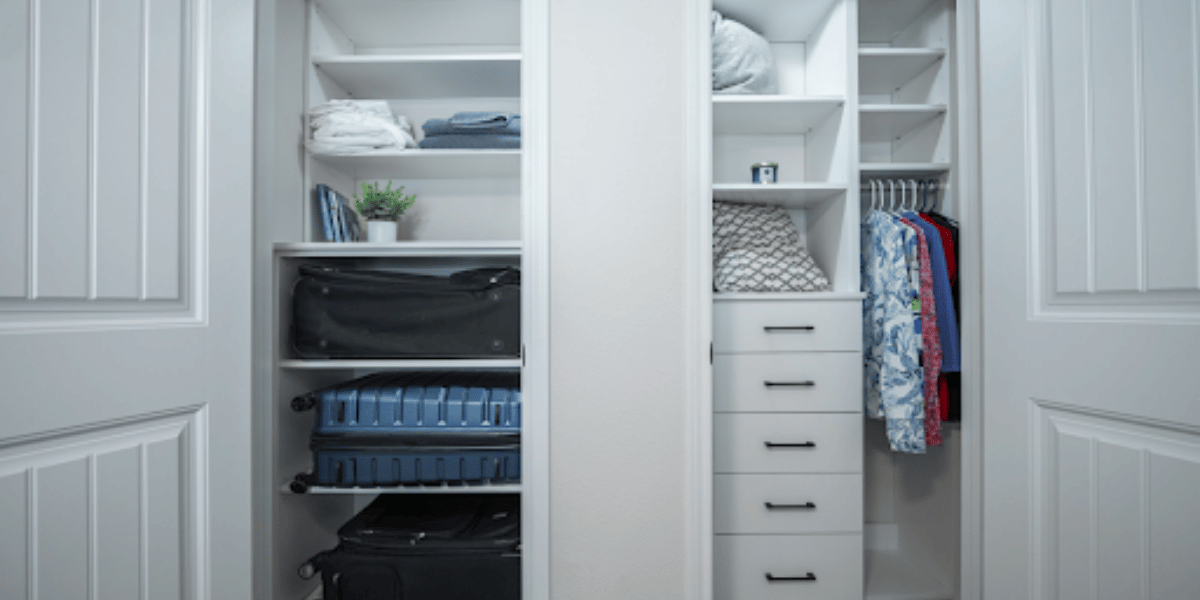
Think your space is too small for a custom closet? A lot of homeowners assume they need a large walk-in or a dedicated dressing room to make custom storage worth it, but that is not actually the case.
Whether you are dealing with a cramped bedroom, a narrow hallway, an apartment with limited storage, or an awkward nook that feels impossible to use well, a smart closet design can still make a big difference.
In this article, we’ll walk through how custom closets can work in small spaces, what types of solutions are available, which features make the biggest impact, and how to make the most of every inch.
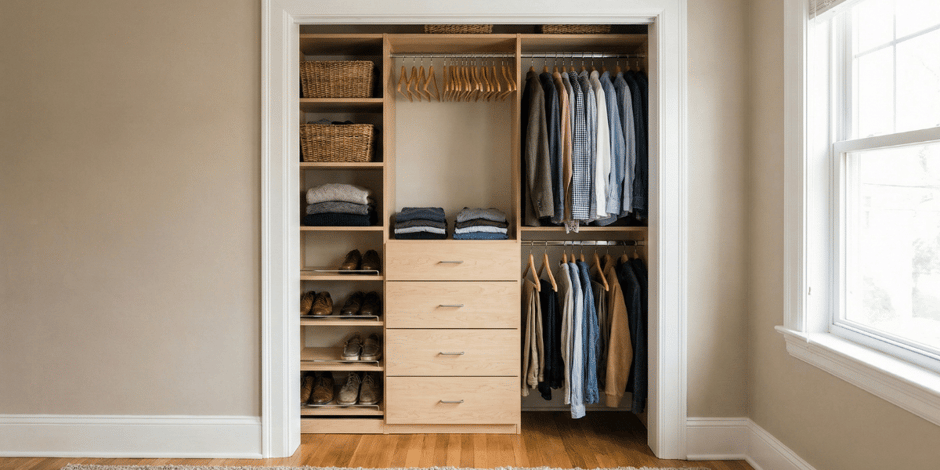
Yes, absolutely. A small room does not automatically rule out a custom closet solution.
Custom closets are not only for large walk-ins. In many cases, they are even more valuable in smaller spaces because every inch matters more. With the right layout, storage features, and planning, a compact area can become much more efficient and much easier to live with.
The goal is not to force a large closet into a small room. The goal is to create a storage system that fits the space you actually have.
When people say they do not have enough space, they are usually talking about spaces like:
If any of those sound familiar, you are not alone. Many homeowners assume these kinds of layouts leave no room for improvement, but they are often the exact spaces where thoughtful design can have the biggest impact.
Before you can design a better closet, you need to understand exactly what you are working with.
Start by measuring:
You should also make note of:
Taking photos and sketching the layout can also help. If you plan to work with a designer, this information gives them a much clearer starting point.
Many closet companies, including SpaceManager, offer free consultations to help you explore your options and figure out what is possible.
You may have more options than you think. A small footprint does not mean you are limited to one basic solution.
Reach-in closets are one of the most effective options for compact spaces. With the right combination of shelves, hanging sections, and drawers, even a shallow closet can become much more functional.
Freestanding or built-in wardrobe systems work especially well in rooms that do not have an existing closet. These can be a strong solution for apartments, guest rooms, or older homes.
Unused corners are often wasted space. A corner closet or corner-based storage design can turn an awkward area into something practical and attractive.
Vertical space is one of the most underused assets in a small room. High shelves and overhead compartments are great for storing seasonal items, extra bedding, luggage, or other things you do not need every day.
Not every closet feature makes sense in a smaller layout, but some upgrades can make a huge difference.
Helpful features for small custom closets include:
In a small closet, flexibility matters just as much as storage capacity. The best designs do not only hold more. They make it easier to find, reach, and maintain everything inside.
Small closets work best when they are designed around what you actually use, not everything you own.
A simple way to start is:
Daily-use items should have the easiest access. Seasonal items, keepsakes, and rarely used pieces should go in higher shelves, under-bed storage, or another area of the home.
This process helps ensure your custom closet supports your real routine instead of becoming another overstuffed space.
A poorly planned small closet can feel even more cramped than before. That is why layout matters so much.
Common mistakes include:
A small closet should feel intentional, not crowded. The right system should help you maintain order, not create more frustration.
Small-space projects can still deliver strong value. If you want a better sense of what impacts cost, take a look at Real Custom Closet Pricing to see how layout, materials, and features influence the final investment.
Limited square footage does not mean you have to settle for clutter or give up on the idea of better storage.
Whether you are working with a reach-in closet, a hallway nook, an empty wall, or an awkward corner, custom storage can help you use that space more effectively. Thousands of homeowners with small rooms and challenging layouts have found practical, attractive solutions with the right design approach.
If your space feels too small now, that may be exactly why a smarter system could help the most.
Will a custom closet make my room feel smaller?
No. In many cases, a well-designed custom closet makes a room feel larger because it reduces visible clutter and uses space more efficiently.
Can I add a closet to a room that does not already have one?
Yes. Wardrobe systems, built-ins, and other closet solutions can often be added to rooms that do not have a traditional closet.
Do I need to get rid of most of my belongings first?
Not necessarily, but decluttering does help. The more intentional you are about what you store, the better your new closet will function.
4 min read
Are you excited to upgrade to a SpaceManager Closets custom closet but worried about what will happen if you do not like the design? It is a fair...
3 min read
In the whirlwind of daily life, clutter can quietly make everything feel harder. When storage does not match how you actually live, even simple...
5 min read
Are you worried a custom closet project will leave you with something that looks nice but does not actually work for your life? A lot of homeowners...