
4 min read
What If I Don’t Have Enough Space for a Custom Closet?
Think your space is too small for a custom closet? A lot of homeowners assume they need a large walk-in or a dedicated dressing room to make custom...
5 min read
Living in Houston means dealing with heat, humidity, and moisture for a big part of the year. That sticky air does not only make you uncomfortable, it can also affect your home, especially your closet.
If you have ever noticed warped shelves, musty smells, rusty hardware, or clothing that feels damp, humidity may be part of the problem. Choosing the right custom closet material can make a major difference in how well your space holds up over time.
In this article, we’ll break down which closet materials perform best in humid climates like Houston, what materials to avoid, and what else you can do to protect your closet and everything in it.
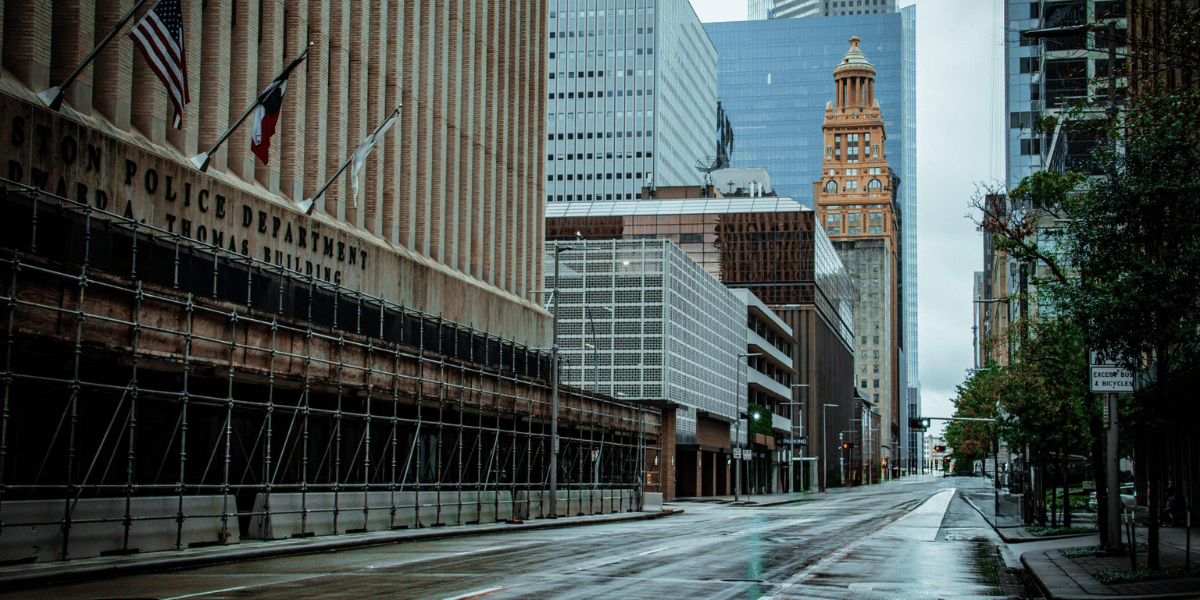
Houston’s humidity can affect both your closet system and the items stored inside it.
Humidity is the amount of moisture in the air. When that moisture builds up over time, it can soak into wood-based materials, fabrics, and even metal hardware.
That can lead to problems like:
In a humid climate, the wrong closet material can wear down much faster than you expect.
Not every closet system is built for a place like Houston. Some common materials look fine at first, but do not hold up well once they are exposed to long-term moisture in the air.
Common problem materials include:
That does not mean all wood-based closet systems are bad. It means the finish, coating, construction, and edge sealing matter a lot.
The best closet materials for humid climates do more than look good. They also resist moisture and stay stable over time.
Look for materials that offer:
In Houston, surface protection matters just as much as the core material itself.
Some materials perform much better than others when heat and humidity are part of everyday life.
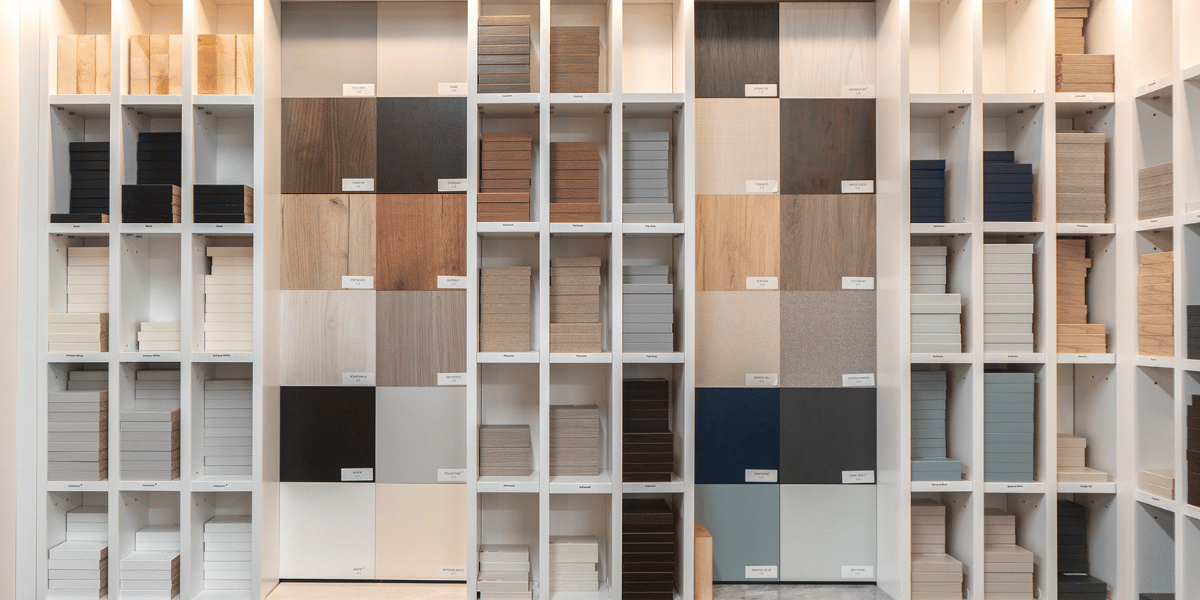
Melamine is one of the most common and practical options for custom closets in humid climates.
Melamine is a durable plastic-like coating applied over a wood-based core, usually particleboard or MDF. The finished surface helps block moisture and makes the material easier to clean.
Why melamine works well:
Important: the exposed edges should be properly edge banded. That helps prevent moisture from reaching the inner core.
TFL is another strong option for humid climates and is often used in high-quality custom closet systems.
This material bonds a decorative surface directly to the core under heat and pressure, creating a durable finish that resists wear and moisture better than many lower-end materials.
Benefits of TFL:
HPL is one of the most durable laminate options available.
It is created by layering material under very high pressure, resulting in a tougher surface than standard laminate finishes.
Why HPL stands out:
If durability is a top priority, HPL is often worth considering.
PVC and other polymer-based materials are among the most moisture-resistant closet options available.
Because they are plastic-based, they do not absorb water the same way wood-based materials do.
Why people choose PVC or polymer systems:
The tradeoff is that some homeowners prefer the look of laminate or wood-look finishes over a more synthetic appearance, though material styling continues to improve.
Metal can work well in humid climates, but only when it is properly finished.
Powder coating helps protect metal rods, brackets, and components from rust and corrosion.
Why powder-coated metal works:
If metal is part of the design, it should be powder coated, not simply painted.
Cedar is a special case. It is one of the few natural woods that people often consider for closets in humid climates because it naturally resists insects and has some mold-resistant properties.
Cedar can offer:
But there are tradeoffs:
Other natural woods can still be used, but they usually need proper sealing and are often less forgiving in humid environments than laminates or polymer-based materials.
The best closet material depends on more than humidity alone. It also depends on your budget, style preferences, and how you use the space.
Ask yourself:
For many Houston homeowners, melamine, TFL, or HPL offer the best balance of appearance, durability, and moisture resistance.
Choosing the right material is a big part of the solution, but it is not the only one.
Other smart ways to protect a closet in a humid climate include:
A well-designed closet uses the right materials and supports better airflow, visibility, and maintenance.
In a climate like Houston’s, your closet material is not a small detail. It affects how well your system performs, how much maintenance it needs, and how long it lasts.
Choosing humidity-resistant materials can help you avoid warped shelves, damaged finishes, mold issues, and costly replacements later on. It can also do a better job protecting your clothes, shoes, and accessories.
A closet built for Houston should do more than look good on day one. It should keep working well for years.
If you have been unsure which custom closet materials actually perform well in Houston, now you have a clearer picture of what works and what tends to fail.
Materials like melamine, TFL, HPL, PVC, and powder-coated metal can all play a strong role in a humidity-conscious closet design, depending on your priorities and budget.
At SpaceManager, we help Houston homeowners choose closet systems that look great, function well, and hold up in real-world conditions.
4 min read
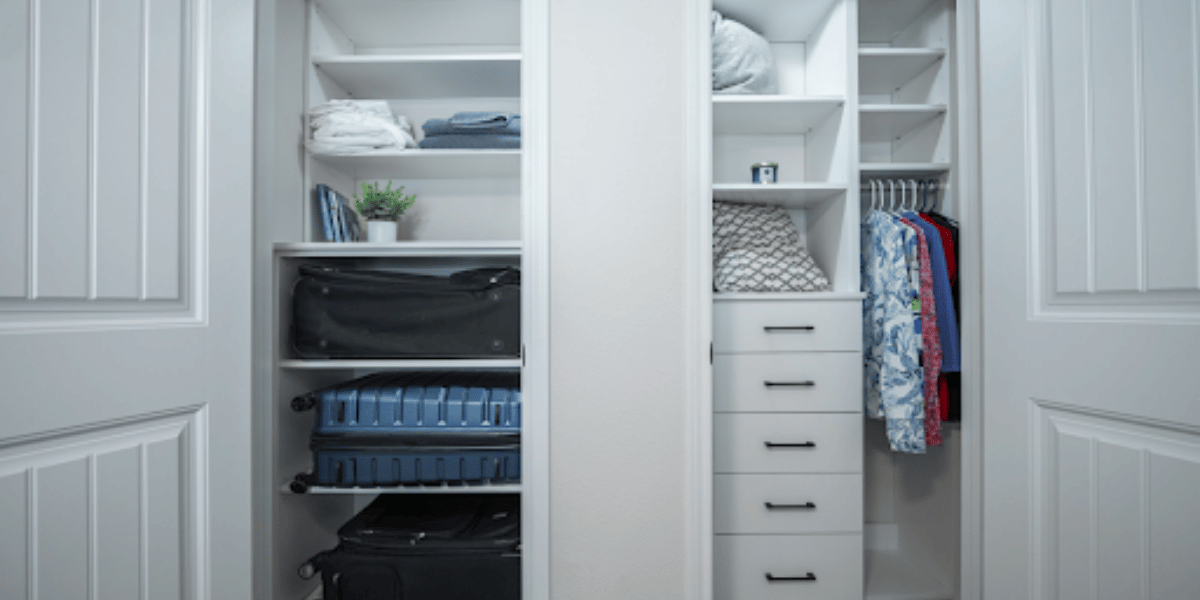
Think your space is too small for a custom closet? A lot of homeowners assume they need a large walk-in or a dedicated dressing room to make custom...

3 min read
If your closets are overflowing, your garage feels impossible to manage, or your home office has turned into storage, you might be wondering what it...
3 min read
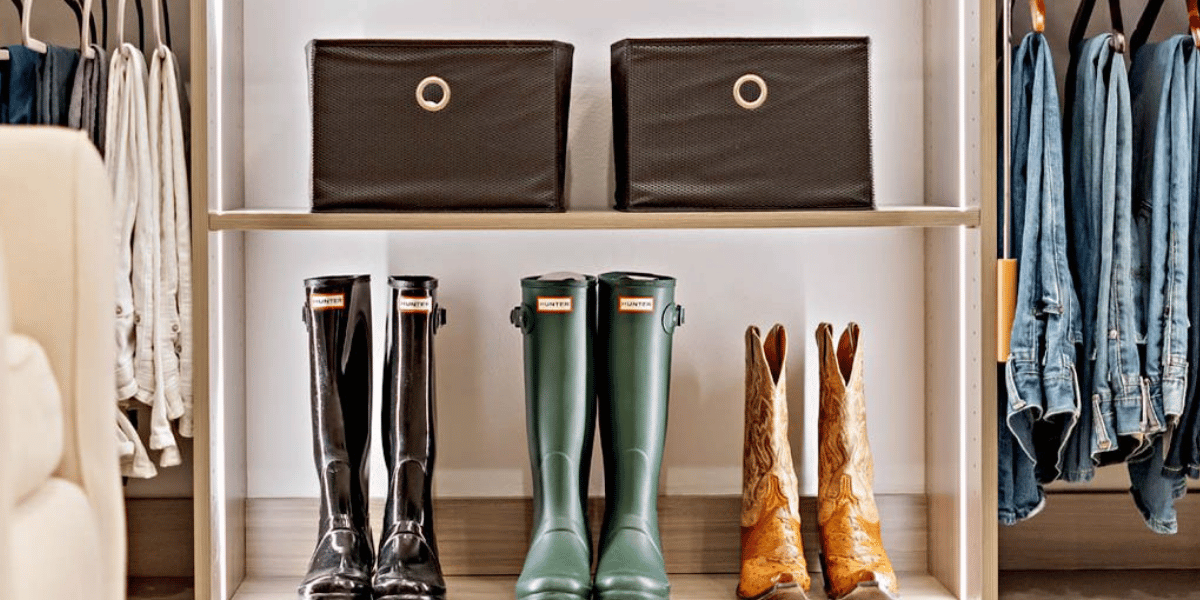
In the whirlwind of daily life, clutter can quietly make everything feel harder. When storage does not match how you actually live, even simple...