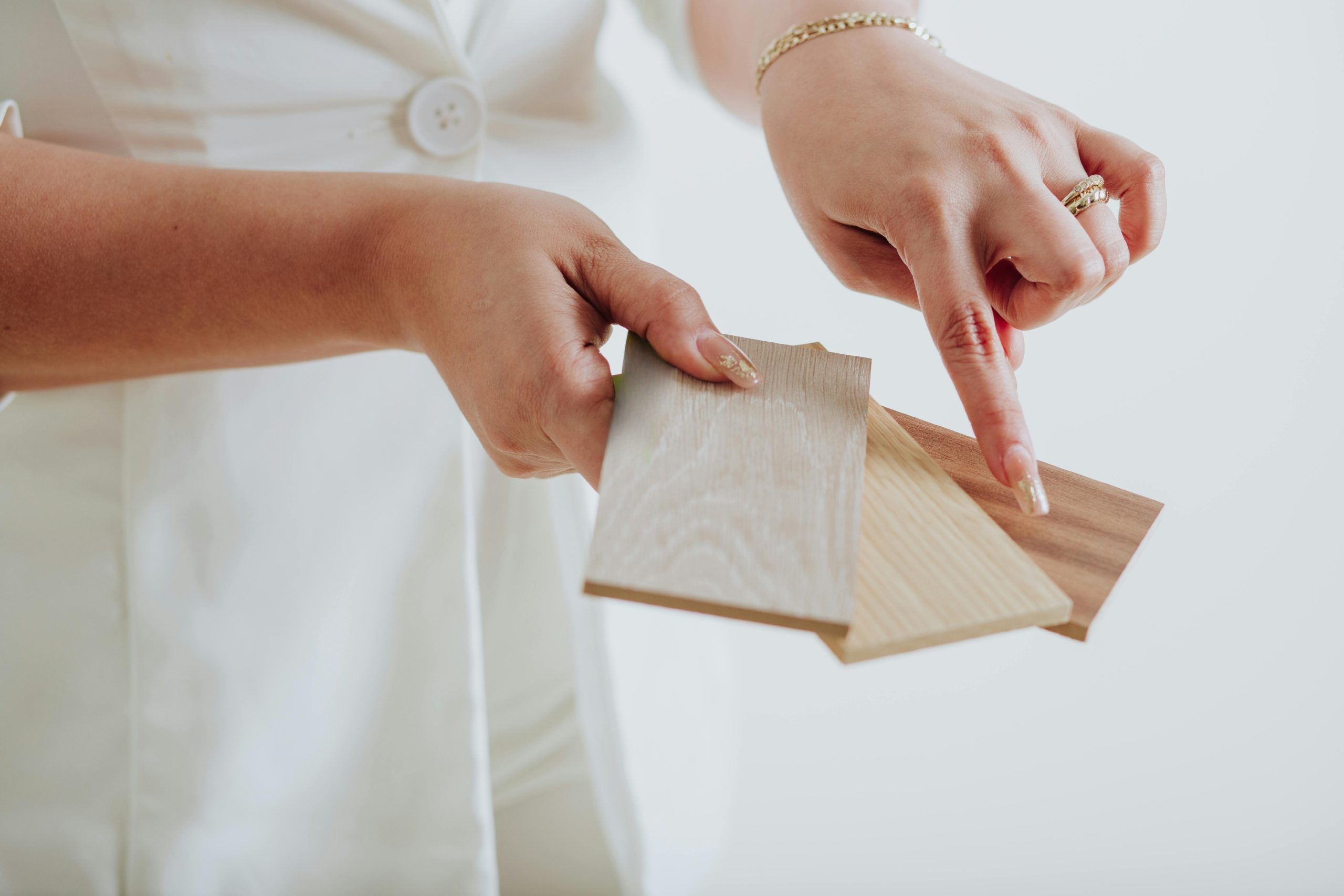
How to Choose the Right Materials for Your Custom Closet
Selecting the right material for your closet is a decision that directly impacts the durability, functionality, and value of your home. Aside from aesthetics or simple organization, the choice of closet material determines whether your storage space will stand the test of time or quickly show signs of wear and tear. You don’t want to spend thousands on a custom closet only to watch it chip, sag, or feel dated in a year.
This article was created by one of SpaceManager’s top designers, whose insight into design trends, material options, and homeowner needs is informed by over two decades in the custom closet industry. When you approach your closet project with informed confidence, you ensure that the result is not just visually appealing but also built to last.
By the end of this article, you’ll have a clear understanding of the pros and cons of the most popular closet materials. You’ll learn how to compare materials, see how they hold up over time, and understand their impact on your daily routine and your home’s value. Choose something that works well and looks good for years to come. You deserve to feel confident that your investment is built to last.
Why Closet Material Matters: Built for Now or Built to Last?
Choosing the right closet material for your project isn’t just about looks. The materials used affect how long your closet will last, the amount of care it requires, and how much you enjoy using it.
The right material keeps your clothes and accessories protected, enhances the look of your room, and can even add value to your home. According to the 2024 edition of “What Home Buyers Really Want” by the National Association of Home Builders, features like improved storage and walk-in closets are ranked among the top five most desired features in new homes by homebuyers.
The wrong choice could mean headaches down the road, from warped shelves to chipped surfaces and more. Before you buy supplies or hire help, it’s smart to know where to begin.
Popular Closet Material Options: Pros and Cons
Solid Wood
Solid wood closets are made from genuine wood like oak, maple, or pine.
- Pros: Strong and durable, with a beautiful natural look, can be painted or stained, and adds value to your home.
- Cons: More expensive, can be heavy, may warp in very humid or dry climates, and needs regular care to prevent scratches or dents.
Best for: Luxury homeowners who want a classic look, natural beauty, and lasting value. Great for walk-in master closets where style and durability matter, and for design enthusiasts who appreciate custom craftsmanship that complements fine furniture.
Plywood with Veneer
Plywood is made by gluing together thin sheets of wood. It’s often used as a less expensive alternative to solid wood.
- Pros: Stable and strong, less likely to warp than solid wood, lighter, and more affordable.
- Cons: Edges may need covering, not as luxurious as solid wood, and quality can vary.
Best for: Homeowners who want good quality without overspending. Ideal for those who need something stronger than laminate but more affordable than solid wood, and for custom projects that need both stability and a nice look.
MDF (Medium-Density Fiberboard)
MDF is made from wood fibers glued together under heat and pressure. It’s smooth and often used for painted surfaces.
- Pros: Very smooth, easy to paint, affordable, doesn’t splinter.
- Cons: Can sag under heavy weight, swells if it gets wet, and is not as strong as plywood or solid wood.
Best for: Homeowners who like modern, painted finishes in custom colors. Good for kids’ or teen closets where style may change and price is important, and for guest room closets where you want a nice look but not heavy use.
Wire Shelving
Wire shelving is made from metal wires, usually coated with white or colored plastic.
- Pros: Very affordable, lightweight, great for ventilation (good for damp areas), easy to see what you have.
- Cons: It can bend under heavy loads, lacks style, and smaller items can fall through the gaps.
Best for: Homeowners on a budget who need a fast, affordable option. Works well in pantries or utility closets where airflow and seeing your items matter more than aesthetics. Also good for short-term stays like first homes or rentals where flexibility is key.
Melamine
Melamine is particleboard or MDF with a durable outer coating.
- Pros: Budget-friendly, long-lasting, resists stains and moisture, easy to clean, lots of colors and styles
- Cons: Heavier than wire, edges can chip if not made well
Best for: Busy families seeking a durable, easy-to-clean surface that withstands scratches and stains. Great for kids’ closets where price and durability matter, and for rental owners who want a stylish, affordable option that looks more expensive than it is.
Expert Guidance from a Custom Closet Builder: How to Get the Best Results
Building a closet yourself can sound fun. Saving money, choosing materials, and making it your own seems simple until the project isn’t always as easy as it seems. Mistakes in cutting, measuring, or installing can lead to shelves that sag, doors that don’t close. No homebuyer choosing to invest in their home wants to waste time or money. Sometimes, DIY projects end up costing more to fix than hiring an expert in the first place.
A local custom closet builder brings experience, tools, and design know-how. They can help you choose materials and accessories that fit your needs and budget, avoid common mistakes, and make sure everything fits perfectly. A professionally built closet typically comes with a warranty, which provides peace of mind that a DIY solution can’t match.